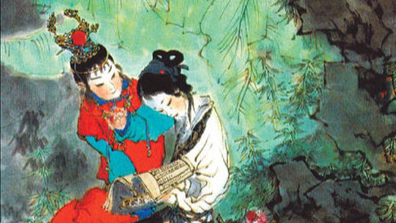
Dai Dunbang
Introduction
Dai Dunbang is a celebrated Chinese artist known for his contributions to the field of painting, particularly in the realm of traditional Chinese literature-themed artworks. His work is characterized by its intricate details and cultural depth, capturing the essence of Chinese classics through ink paintings. Dai has illustrated about 200 characters from renowned Chinese literary works, including The Dream of the Red Chamber and Outlaws of the Marsh, showcasing his ability to bring literary figures to life through his artistry.
Early Life
Details about Dai Dunbang's early life are sparse, but his background and upbringing likely played a significant role in shaping his artistic talents and interests. Growing up in an environment rich in cultural and historical influences, Dai developed a profound appreciation for Chinese literature and art. This early exposure to China's cultural heritage became a foundation for his future works, which often depicted scenes and characters from classical Chinese novels.
Education
Dai Dunbang's education in the arts was crucial in his development as a painter and illustrator. His training likely included a rigorous study of traditional Chinese painting techniques, such as ink and wash painting, and a deep understanding of literary classics. This education enabled him to merge his artistic skills with his passion for literature, allowing him to create works that are both visually captivating and culturally significant.
Awards and Recognition
Dai Dunbang's artistic achievements have earned him recognition in various art circles. His participation in exhibitions and conferences, such as the China (Jilin) Animation Conference, highlights his status as a respected figure in the art world. His works are frequently displayed in exhibitions, emphasizing their artistic value and cultural significance. Dai's illustrations are often celebrated for their meticulous detail and adherence to traditional styles, earning him accolades from both peers and art enthusiasts.
Legacy
Dai Dunbang's legacy lies in his ability to bridge the gap between classical literature and modern visual arts. His illustrations have breathed new life into ancient stories, making them accessible and engaging for contemporary audiences. By capturing the spirit of Chinese classics through his artwork, Dai has ensured that these cultural treasures continue to be appreciated by future generations. His work not only preserves the past but also inspires current and future artists to explore traditional themes within their creations.








